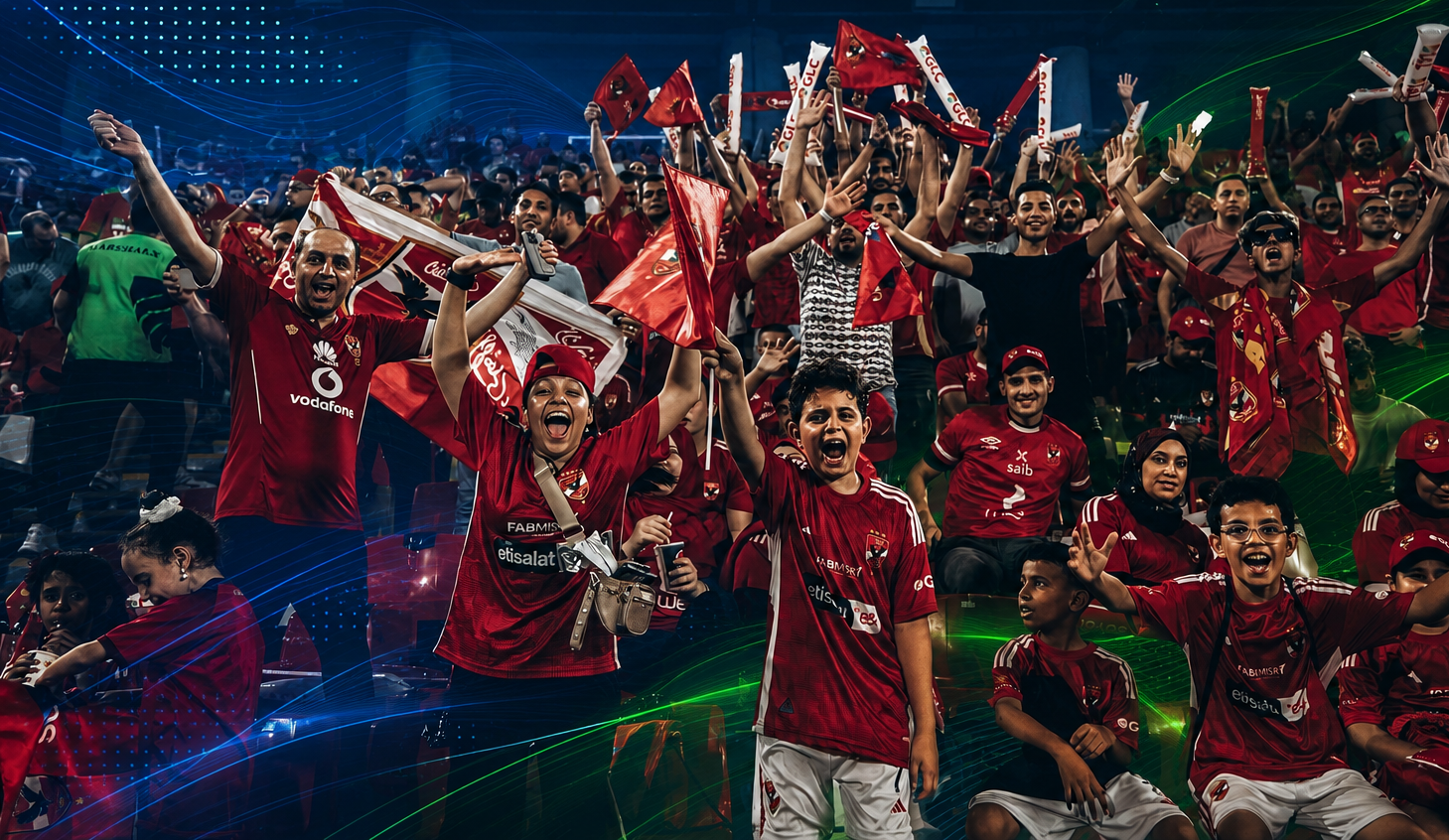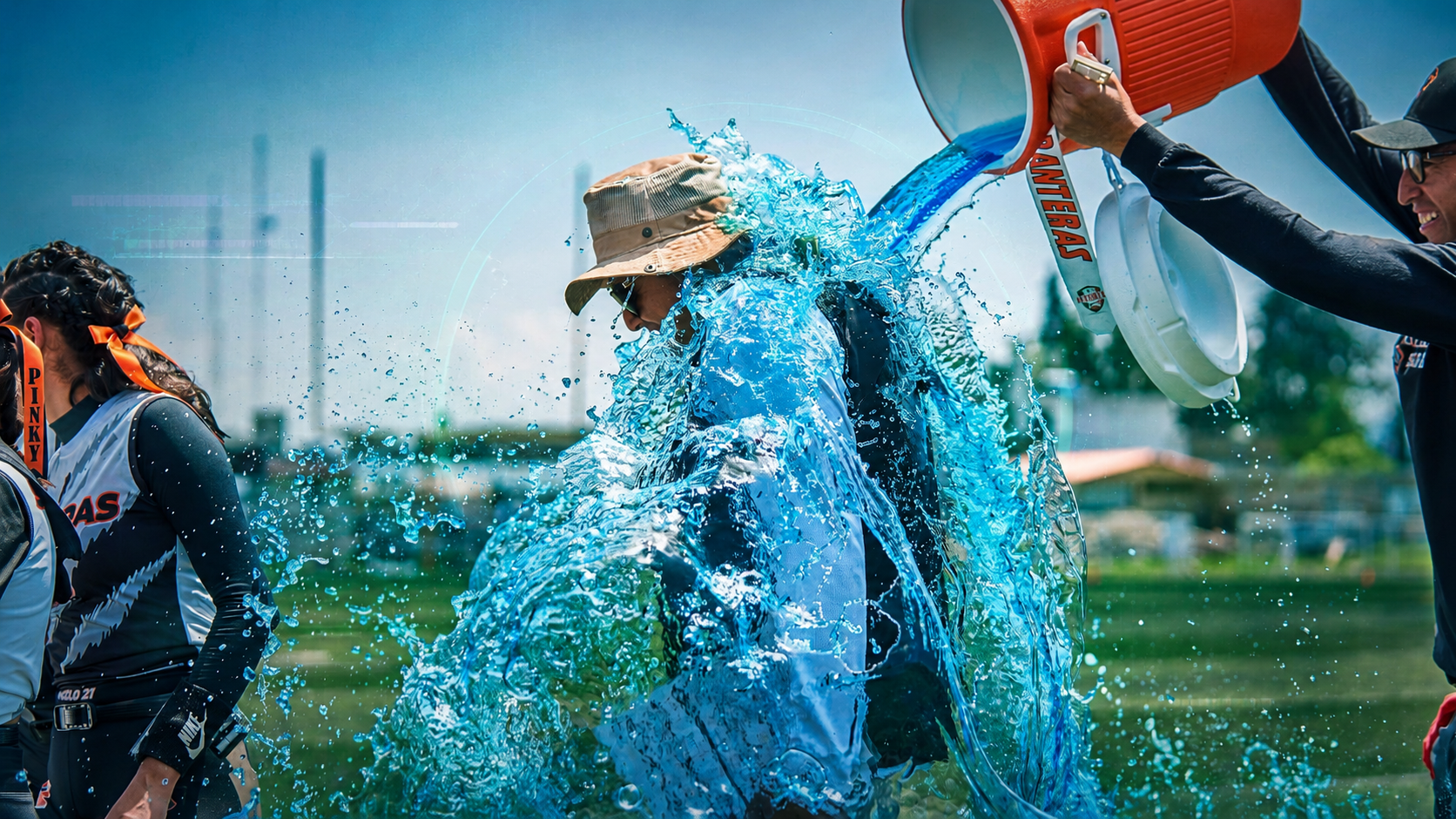

Sustainability in sports in Qatar is becoming an increasingly important topic as the country continues to advance the ambitions of Qatar National Vision 2030. This article explores how Qatar’s national sustainability direction connects with the sports sector and why clubs, leagues, federations, venues and events can play an important role in turning this vision into practical action.
Qatar National Vision 2030 and the Role of Sport
Qatar National Vision 2030 provides a clear long term framework for the country’s development. Its ambition is to transform Qatar into an advanced society capable of achieving sustainable development and providing a high standard of living for its people for generations to come. The Vision is built on four interconnected pillars: human development, social development, economic development and environmental development.
For the sports sector, this creates a powerful opportunity. Sport is not only about competition and performance. It also supports health, education, inclusion, community engagement, responsible leadership and national identity. These are areas where sports organisations can make a direct contribution to Qatar’s wider development goals.
Key Sustainability Priorities in Qatar
Qatar’s sustainability agenda includes important themes such as renewable energy, water conservation, sustainable mobility, food security, green buildings, climate action, innovation and ESG reporting. The Qatar Sustainability overview highlights the country’s focus on reducing greenhouse gas emissions, increasing solar energy, promoting green finance, developing sustainable transport and strengthening ESG reporting structures.
These priorities are highly relevant for sport. Stadiums, clubs, training facilities and events use energy, water, transport, catering, materials and waste systems. At the same time, sport reaches large audiences and can inspire behavioural change in a positive and accessible way.
For sports organisations in Qatar, sustainability is therefore not an abstract policy topic. It is directly connected to daily operations. A football club, athletics federation, rugby programme, water sports club or event organiser can contribute through practical measures such as heat management plans, refill water points, inclusive participation formats, better waste systems, responsible sponsorship criteria, efficient lighting, sustainable travel information, volunteer welfare and basic ESG data collection.
The strongest sustainability examples in Qatar show that credible progress does not come from slogans. It comes from systems, standards and consistent implementation.
Institutional Momentum: Sustainability in Qatar’s Sports Sector
A strong institutional reference point is the Qatar Olympic Committee, which has already embedded sustainability into several policy areas, including sustainable sport development, event sustainability, sustainable procurement, knowledge management and integrated management systems. This shows that sustainability in Qatar’s sports sector is not only a communication topic, but increasingly connected to governance, operations and long term sport development.
The opportunity now is to translate this strategic direction into practical tools for clubs, federations, leagues and events, helping them understand their current status, identify improvement potential and implement clear next steps in a structured and measurable way.
Qatar Olympic Academy: Building Knowledge in the Sector
Another important example is the Qatar Olympic Academy. Its programme on Sustainability in Sports Events covers practical topics such as risks of unsustainable events, waste reduction, stakeholder engagement, waste management and circular systems.
This matters because sustainability in sport cannot be achieved through documents alone. Coaches, managers, volunteers and event teams need knowledge, confidence and simple tools. Training programmes create internal capacity, which is especially important for smaller sports organisations that may not have dedicated sustainability staff.
However, many sports organisations still face the challenge of translating sustainability awareness into their own daily operations. They may understand the importance of the topic, but struggle to assess their current status, identify the most relevant priorities, collect the right data and define realistic next steps. This is especially true when sustainability covers many different areas at once, from environmental impact and event operations to inclusion, governance, safety and community engagement.
The Real Implementation Challenge for Sports Organisations
For many sports organisations in Qatar, the challenge is not a lack of interest in sustainability. The challenge is knowing where to start and how to turn existing ambition into a clear and manageable process.
The regional context brings very practical priorities. Safe sport in hot weather requires heat management, shade, hydration, medical readiness and adapted training or event schedules. Water use is highly relevant for facilities, pitches, cooling systems, sanitary areas and events. Energy demand from cooling, lighting and venue operations can become a major operational topic. Mobility around venues, training grounds and events is also important, especially where visitors, athletes and staff rely heavily on individual car travel.
Waste from matchdays, tournaments and hospitality areas is another visible and measurable area. At the same time, sustainability in sport also includes inclusion, accessibility, volunteer welfare, safeguarding, responsible procurement, transparent governance and community engagement.
These topics are directly connected to daily management. But without a clear baseline, many organisations find it difficult to understand their current status, identify the most relevant gaps and decide which actions should come first.
How Sports Organisations Can Contribute
Sports organisations in Qatar can start with practical steps that are easy to understand and realistic to implement. A club can measure electricity and water use, reduce single use plastics, introduce refill water points, improve waste separation and promote public transport or shared mobility for events.
Leagues and federations can go further by introducing common sustainability standards across their members. This could include minimum expectations for governance, inclusion, health and safety, heat management, responsible procurement, community programmes and basic environmental data collection.
Venues and event organisers can contribute through energy efficient cooling, LED lighting, smart scheduling, accessible facilities, sustainable catering, volunteer welfare, fan engagement and transparent reporting after major events.
Most importantly, sustainability should not feel like an additional burden. It should become part of better management, better risk preparation and better communication with members, fans, sponsors and public stakeholders.
The Role of Mustadam Sports
Mustadam Sports is designed to close this implementation gap. Many clubs, leagues, federations, venues and events already take individual sustainability actions, but they often lack a structured overview of their current status and a clear roadmap for improvement.
Mustadam Sports supports sports organisations with a practical sustainability and maturity framework designed for the GCC context. The platform helps organisations assess where they stand across governance, environment, social impact, health and safety, operations, inclusion and data. Based on this baseline, organisations can identify their most relevant improvement potential and define realistic next steps towards a clear sustainability strategy.
Instead of starting with complex reporting, Mustadam Sports begins with a structured baseline. Clubs, leagues and venues can assess their current performance, identify gaps and receive clear improvement actions, scorecards and a roadmap for the next steps.
This makes sustainability measurable, manageable and motivating. The framework is comprehensive enough to cover the key sustainability areas, but practical enough to be implemented without overwhelming internal teams. It helps organisations align their own development with the spirit of Qatar National Vision 2030 and the wider sustainability direction of the region.
From Vision to Action
Qatar has already positioned sustainability as a central part of its national future. Sport can become one of the most visible and inspiring sectors to bring this vision into everyday life. Every club, event and league can contribute, whether through healthier communities, inclusive participation, better resource use, safer operations or credible ESG progress.
If your club or league wants to understand its current sustainability status and define the next steps towards a clear strategy, Mustadam Sports provides a comprehensive yet easy to implement framework that identifies improvement potential and turns it into practical action.
To explore how Mustadam Sports can support your organisation in taking the next practical step, get in touch with us.