Heat Safety has moved from a medical side topic to one of the most important relevant topics in sport. Heat, hydration, player welfare are gaining more and more relevance. A strong example is the FIFA Men’s World Cup 2026, where mandatory drinking breaks have been introduced.
High temperatures, humidity, sun exposure, sandstorms and air quality can also directly affect athletes, fans, staff, volunteers and contractors in the GCC. This article explains why Heat Safety and Climate Adaptation should become a core part of sports management in the GCC, and how organisations can start.
Heat Safety Is a Performance and Welfare Issue
Heat Safety is about protecting people while keeping sport possible. Athletes training in high temperatures face greater physical stress, reduced performance and higher risk of dehydration, heat exhaustion or heat stroke. The same applies to coaches, referees, event staff, security teams, volunteers and spectators.
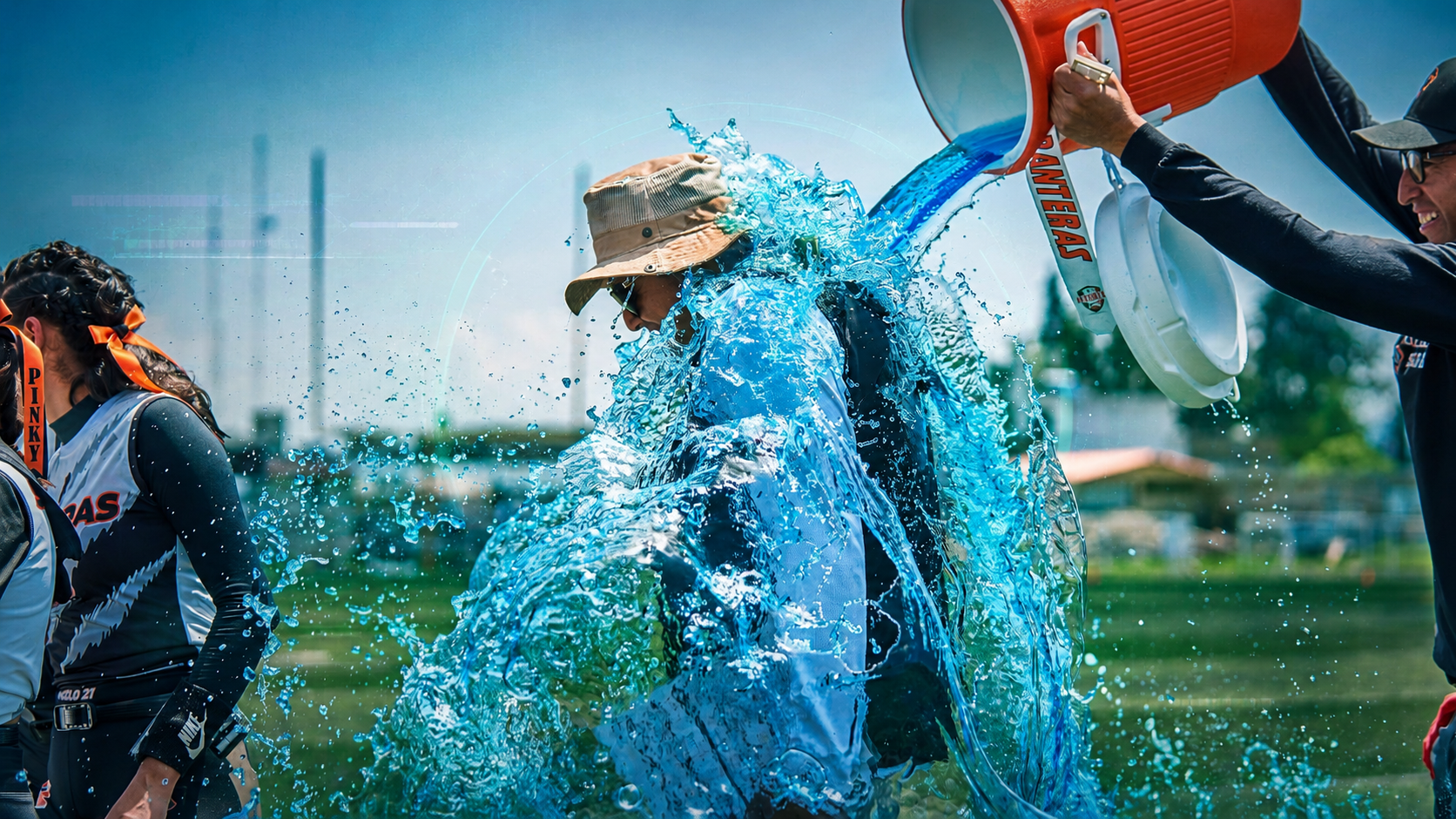
For youth academies, the responsibility is even greater. Parents expect that training environments are safe, well managed and adapted to local conditions. Simple measures such as shaded areas, regular water breaks, adjusted training times and clear emergency procedures can make a major difference.
Heat Safety should therefore be part of every club’s operating routine, from daily training to tournaments and community events.
Climate Adaptation Means Planning Ahead
Climate Adaptation in sport means preparing for changing conditions instead of reacting only when problems occur. In the GCC, this includes heat, humidity, poor air quality, sandstorms, water scarcity and outdoor exposure.
A practical Climate Adaptation approach starts with risk mapping. Which activities happen outdoors? Which age groups are most vulnerable? Are training times suitable during the hottest months? Is there enough shade, water and medical support? Are staff trained to recognise heat stress?
Sports organisations do not need a complex system to begin. A simple Heat Safety plan can include temperature thresholds, hydration rules, emergency contacts, communication templates and decision criteria for postponing or moving activities indoors.
Fans, Staff and Volunteers Must Be Included
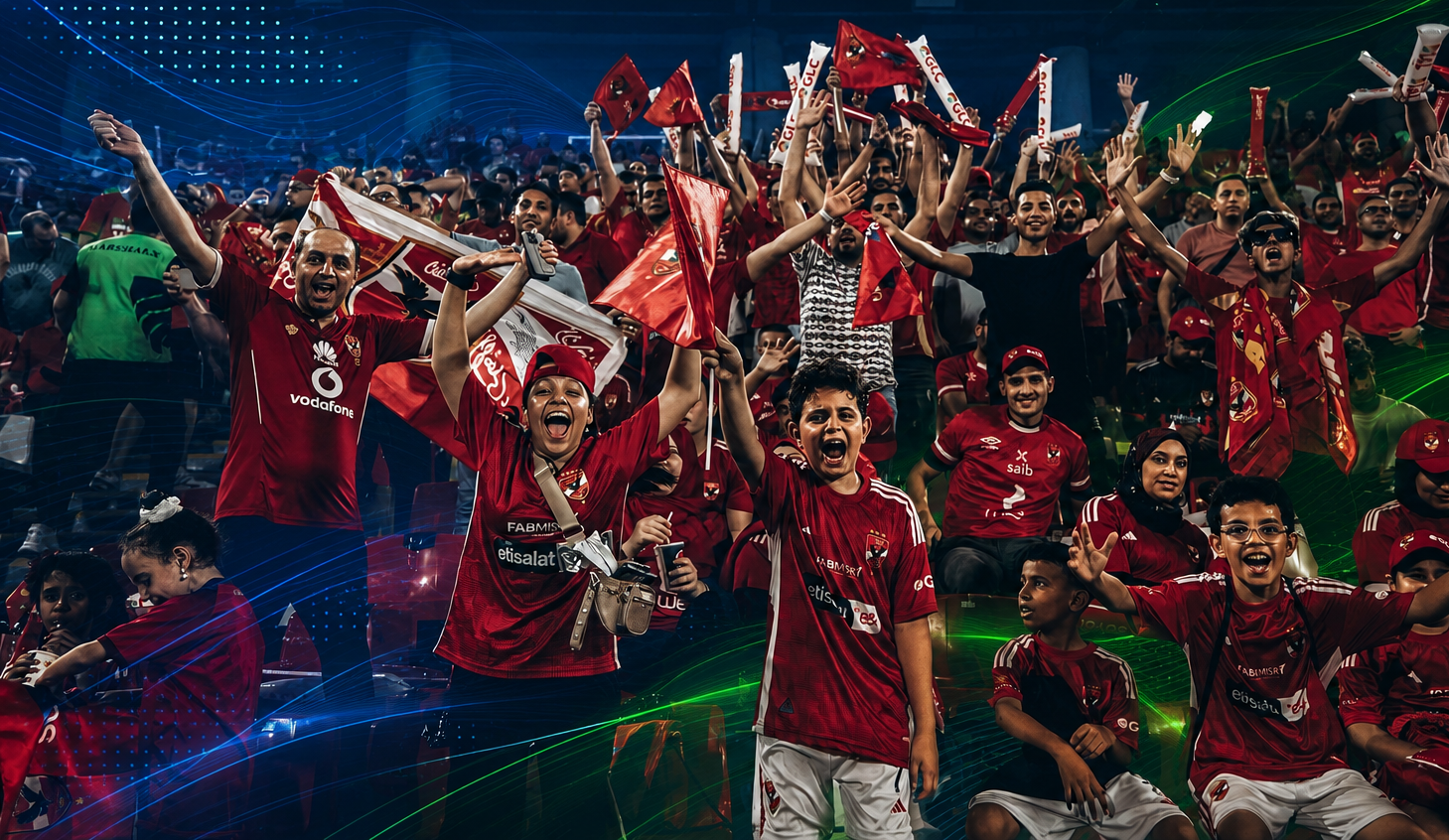
Many organisations focus first on athletes, but Heat Safety also affects the full event ecosystem. Fans waiting outside venues, volunteers working long shifts, cleaners, security staff, ticketing teams, parking staff and technical crews can all be exposed to heat.
This is especially relevant for sports events in the GCC, where arrival areas, queues, transport hubs and outdoor fan zones often create heat-related risks. Organisers should provide clear information before the event, shaded waiting zones, free refill water, cooling areas and trained staff who know what to do in case of heat stress.
Responsible event management also includes fair shifts, shaded breaks and hydration access for workers and volunteers. This is part of good governance, risk management and social responsibility.
Heat Safety Can Strengthen Trust and Reputation
Clubs and leagues that manage Heat Safety well send a clear message: they care about people. This can strengthen trust with athletes, parents, sponsors, authorities and communities.
It can also support sponsorship and partnership discussions. Companies increasingly look for sports partners that are professionally managed, responsible and future-ready. A club that can show clear Heat Safety measures, incident tracking and continuous improvement is more credible than one that only communicates general sustainability statements.
Heat Safety also creates communication opportunities. Clubs can educate young athletes about hydration, sun protection, recovery and climate awareness. Events can use signage, QR codes and social media to inform fans. These small actions show leadership and make sustainability practical.
Heat Safety and Climate Adaptation are no longer optional for sports organisations in the GCC. They are essential for safe participation, strong performance, responsible event delivery and long-term resilience.
The FIFA Men’s World Cup drinking breaks show that even the highest level of global football is adapting to heat risk. For GCC clubs, academies, leagues and events, the question is no longer whether this topic matters. The question is how quickly practical systems can be put in place.
If your sports organisation wants to improve Heat Safety, adapt to climate risks and become more sustainable, Mustadam Sports can support you with a practical Quick-Check, clear priorities and an action-focused roadmap.
Contact Mustadam Sports to explore how your organisation can reduce risk and take the next step towards becoming future-ready.