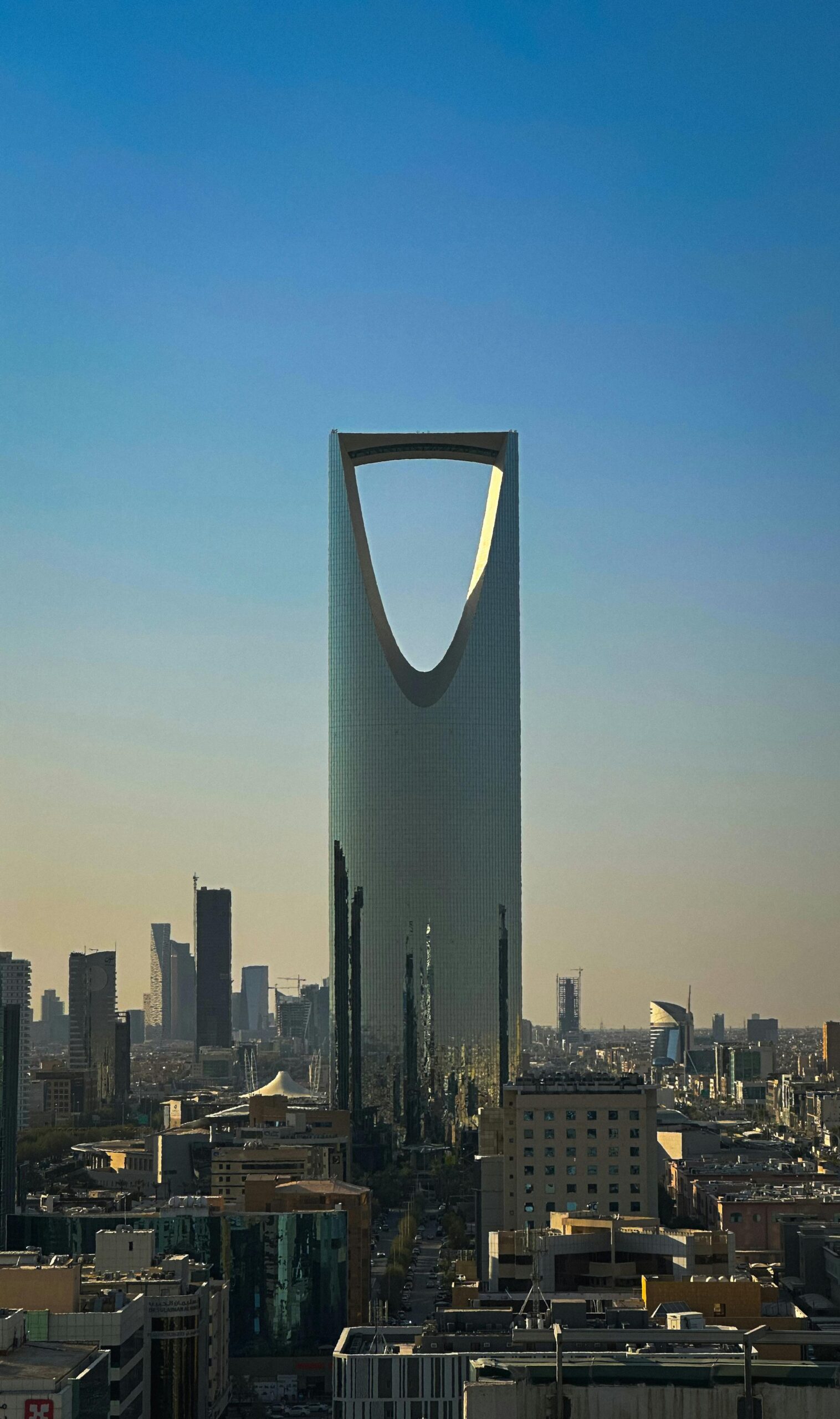
Saudi Arabia is rapidly becoming one of the most ambitious sports markets in the world. Through Saudi Vision 2030, sport is becoming a driver of economic diversification, private investment, community participation and international positioning. The official Vision 2030 platform describes the transformation of Saudi sport as an ongoing journey towards a more dynamic and globally relevant sector.
For sports organisations and organizers, this creates a clear message: As the sector becomes more professional, more commercial and more visible, ESG governance becomes essential.
Sport as a Strategic Sector in Saudi Arabia
Saudi Arabia is investing heavily in sport as part of its broader national transformation. The Ministry of Sport highlights investment opportunities designed to build a sustainable sports sector, including club privatisation, private sector involvement and improved fan experience.
This shift changes expectations. Sports organisations are increasingly expected to operate like professional institutions. That means clear governance, transparent decision making, risk management, responsible sponsorship, safe events, financial discipline and measurable social impact.
In this context, ESG is not just about carbon emissions. It is about how a sports organisation is managed, how it protects people, how it works with suppliers, how it handles risks and how it proves progress.
Why Governance Is the Core of ESG in Sport
Environmental measures are important, especially in a region where heat, water, energy use and transport are major operational topics. But without governance, even the best sustainability actions remain fragmented.
Good ESG governance helps a club or league answer essential questions:
Who is responsible for sustainability?
Which risks are being monitored?
Are suppliers and sponsors screened?
Are staff, athletes, volunteers and fans protected?
Are claims backed by data?
Is progress reviewed regularly by leadership?
These questions matter because Saudi sport is entering a phase where investors, sponsors, public authorities and international partners will expect stronger evidence. As clubs become more commercial and private investment increases, governance becomes a competitive advantage.
From Visibility to Credibility
Saudi Arabia’s role in global sport will continue to grow, especially with major events, international partnerships and the FIFA World Cup 2034 on the horizon. The official Saudi 2034 bid platform links the tournament directly to Vision 2030 and the Kingdom’s investment in the sports sector.
This visibility brings opportunity, but also scrutiny. Sports organisations that can show credible ESG structures will be better positioned to attract partners, sponsors and communities. Those that cannot may face reputational, operational or regulatory risks.
The future winners will not only be the organisations with the biggest budgets. They will be the ones that can measure where they stand, prove what they do and improve over time.
What Sports Organisations Should Start With
The first step does not need to be complicated. A practical ESG governance approach can begin with a simple maturity assessment, a sustainability lead, a risk register, clear policies, basic KPIs and an annual improvement plan.
For Saudi clubs, leagues and events, the most relevant areas include governance structure, heat safety, inclusion, worker welfare, sustainable procurement, fan mobility, energy and water use, responsible sponsorship and transparent communication.
Conclusion
Saudi Vision 2030 is creating a new era for sport in the Kingdom. But with growth comes responsibility. ESG governance gives sports organisations the structure they need to become more professional, resilient and credible.
Mustadam Sports helps clubs, leagues, venues and events understand where they stand, identify gaps and build a practical improvement roadmap.
Ready to measure, prove and improve your sports organisation’s sustainability performance? Contact Mustadam Sports to start your ESG maturity assessment.